Land Clearing in Glendale, AZ: Process and Cost Factors
When it comes to land clearing Glendale properties, the stakes are high: a poorly cleared lot can set back your entire construction timeline. Glendale’s desert terrain, caliche-heavy soil, and Arizona’s native plant regulations make this work more complex than it looks. Choosing an experienced, locally knowledgeable crew is the single most important decision you’ll make before breaking ground.
Professional land clearing transforms raw, overgrown land into a build-ready surface. Moreover, it protects you from permit violations, soil instability, and costly rework down the line. Whether you’re planning a new home, a commercial development, or a site renovation, the process starts here.
On this page
What Land Clearing in Glendale Involves
Land clearing Glendale projects cover far more than simply cutting down a few trees. In fact, a full clearing job transforms raw, overgrown land into a clean, build-ready surface. Understanding each step helps you plan smarter and avoid costly surprises.
Vegetation and Tree Removal
First, crews remove all surface-level growth. This includes:
- Trees and stumps: cut down and ground out below grade
- Shrubs and brush: cleared by hand tools or heavy equipment
- Native desert plants: carefully handled per Arizona state regulations
- Invasive species: such as buffelgrass, which spreads wildfire risk
Because Arizona has strict native plant protection laws, crews must identify and salvage protected species like saguaro cacti before any clearing begins.
Grubbing and Root Removal
Next comes grubbing, the removal of roots, stumps, and buried organic matter. Skipping this step causes soil to shift and settle unevenly later. For example, decomposing roots can create voids that crack foundations or buckle pavement.
Grubbing typically goes 6 to 18 inches deep, depending on the root system and the planned use of the land.
Debris Hauling and Disposal
After clearing, all material must be removed from the site. Crews haul away:
- Chipped wood and brush
- Rocks and boulders
- Old fencing or debris left on the property
For related debris removal needs, see our construction debris removal services.
Rough Grading
Finally, the cleared land gets rough-graded. Heavy equipment levels the surface and establishes proper drainage slopes. This step is critical in Glendale’s desert climate, where monsoon rains can cause serious erosion on ungraded lots.
Also, proper grading sets the foundation for every project phase that follows, from utility trenching to concrete work. Learn more about our full scope of work on our services page.
Site Preparation and Grubbing Services for Land Clearing Glendale
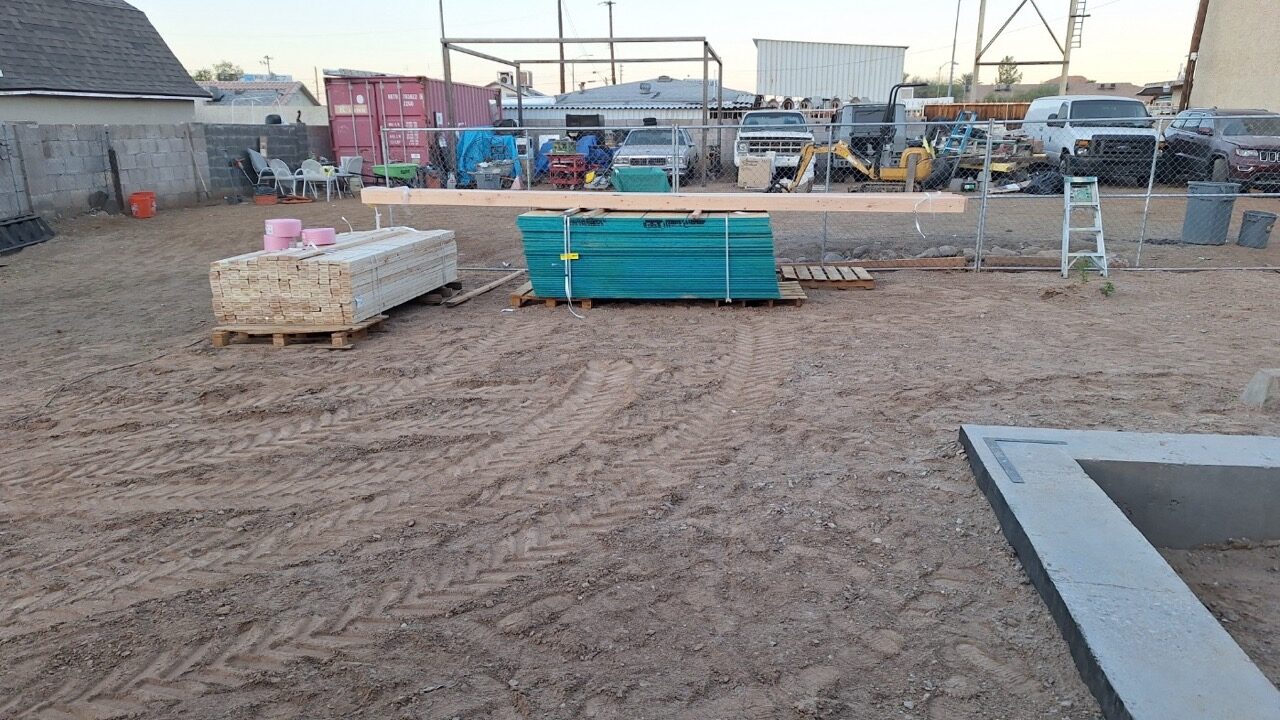
Proper site prep is the backbone of any successful build. Before construction can begin, the ground must be cleared, leveled, and ready to support heavy equipment and foundations.
What Is Grubbing?
Grubbing means removing everything below the surface. This includes:
- Tree stumps and root systems
- Underground brush and organic debris
- Rocks, boulders, and subsurface obstructions
- Old irrigation lines or buried waste
However, grubbing goes deeper than simple surface clearing. It ensures the soil beneath your project is stable and free of material that could decompose and cause settling later.
The Site Preparation Process
First, crews survey the lot and mark any underground utilities. In Arizona, this step is required by law. Always call Arizona 811 before digging begins.
Next, heavy machinery moves in to strip topsoil and remove vegetation. Finally, the graded surface is compacted and inspected for structural readiness.
A typical prep sequence looks like this:
- Utility marking and safety check
- Surface vegetation removal
- Stump grinding and root extraction
- Soil grading and leveling
- Compaction testing
Why Grubbing Quality Matters
Skipping thorough grubbing is a costly mistake. Decomposing roots left underground can create voids, causing foundations to shift over time. In fact, poor site prep is a common cause of structural problems in new construction.
For Glendale properties specifically, the desert soil composition, often caliche-heavy, demands specialized equipment and experienced operators. Caliche is an extremely hard, calcium carbonate-rich layer common across the Sonoran Desert region.
Also, proper debris disposal matters. Our team handles all removed material responsibly, including hauling it away cleanly. For more on debris handling, see our construction debris removal services.
Bottom line: Thorough grubbing protects your investment from day one.
Residential vs Commercial Land Clearing in Glendale
Not all clearing jobs are the same. The scale, equipment, and permits needed vary greatly between residential and commercial projects. Understanding these differences helps you plan smarter and avoid costly surprises.
Residential Clearing: Smaller Scale, Still Complex
Residential projects typically cover smaller lots, often under an acre. However, they still demand careful planning. Tree removal, shrub grubbing, and stump grinding are common tasks.
Key features of residential clearing:
- Lot size: Usually under 1 acre
- Equipment: Compact skid steers, small excavators, hand tools
- Permits: City of Glendale residential grading permits may apply
- Timeline: Most jobs finish within 1 to 3 days
- Goal: Prepare land for a home build, pool, or landscaping project
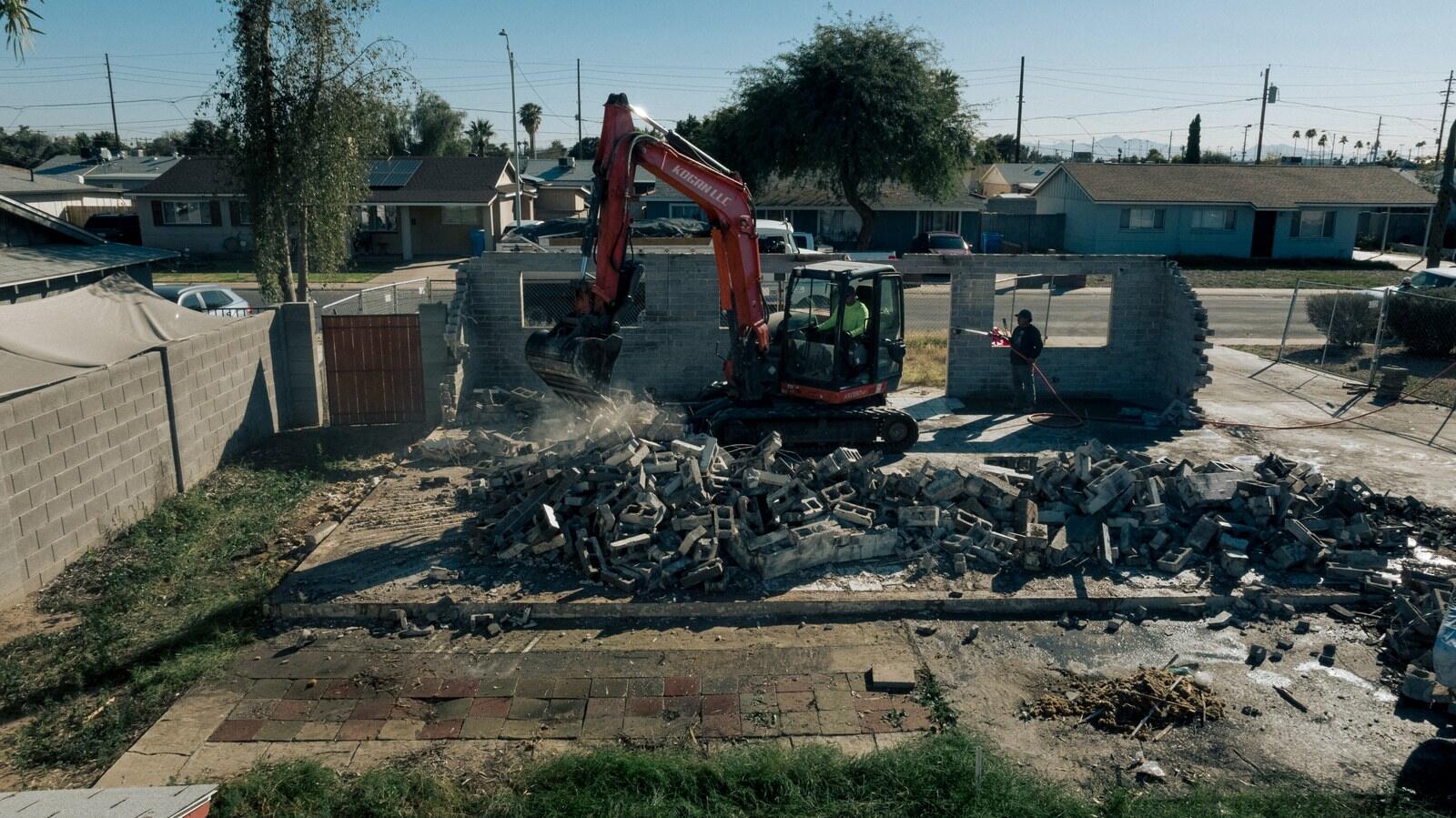
Because residential lots sit close to neighboring properties, crews must work carefully to avoid damage to fences, utilities, and existing structures. For residential demolition and site prep support, visit our residential demolition page.
Commercial Clearing: Larger Scope, Higher Stakes
Commercial clearing covers much larger footprints, sometimes 5, 10, or even 50-plus acres. For example, a retail development or warehouse site demands heavy-duty bulldozers, graders, and large brush mulchers. In addition, commercial projects often require environmental impact reviews and stricter permit compliance.
Key features of commercial clearing:
- Lot size: Often 1 acre to 50-plus acres
- Equipment: Large bulldozers, tracked excavators, industrial mulchers
- Permits: Maricopa County Air Quality dust control permits are common
- Timeline: Can range from several days to multiple weeks
- Goal: Prepare land for retail, industrial, or multi-unit development
For larger commercial work, explore our commercial construction services for full project support.
Residential vs. Commercial: Side-by-Side Comparison
| Feature | Residential Clearing | Commercial Clearing |
|---|---|---|
| Typical lot size | Under 1 acre | 1 to 50-plus acres |
| Equipment scale | Compact/mid-size | Heavy-duty industrial |
| Permit complexity | Moderate | High, often multiple agencies |
| Average timeline | 1 to 3 days | Days to weeks |
| Primary goal | Home, pool, or yard prep | Development, industrial, or retail |
| Debris volume | Low to moderate | High |
Which Type Do You Need?
First, identify your project’s end goal. Next, consider lot size and local zoning rules. Finally, consult a licensed contractor who knows Glendale’s specific requirements.
Both project types require skilled crews, proper equipment, and strict safety standards. Choosing the right team from the start saves time and avoids costly rework.
Land Clearing Glendale Cost Factors and Timeline
Several key factors shape what you’ll invest and how long your project takes. Understanding them helps you plan smarter and avoid surprises.
What Drives the Cost
The investment required for clearing land depends on more than just lot size. However, lot size is still the biggest driver. A small residential parcel clears faster and requires less equipment than a multi-acre commercial site.
Other major cost factors include:
- Vegetation density: Heavy brush, mature trees, and deep root systems take more time and equipment
- Soil conditions: Rocky or caliche-heavy soil common in the Glendale area adds difficulty
- Debris volume: More material means more haul-away trips and disposal effort
- Permit requirements: Local permits can add time and fees before work begins
- Slope and terrain: Uneven ground slows equipment and raises labor hours
For context, Maricopa County has specific grading and grubbing permit rules that affect project timelines.
Typical Project Timelines
Timelines vary widely. For example, a small residential lot may clear in one to three days. In contrast, a large commercial parcel with dense vegetation can take several weeks.
Here’s a general breakdown:
| Project Phase | What Sets the Timeline |
|---|---|
| Site assessment | Lot size, vegetation density, and access |
| Permitting | The city or county review queue; we confirm it when we pull the permit |
| Active clearing | 1 to 3 days on most residential lots; several weeks on large commercial sites |
| Debris removal | Debris volume and haul-away trips |
| Rough grading | Lot size, slope, and soil conditions |
What Moves the Price
Smaller lots with light brush are simpler jobs. Large lots with trees, caliche, and grading needs take more equipment and time. KOGAN LLC gives a free on-site estimate with a written quote, so you know the scope and price before work begins.
Visit our Glendale service area page for local details, or explore our full services list to see what’s included at each stage of your project.

Land Clearing in Glendale: Common Questions
What does land clearing glendale typically include?
Land clearing Glendale services generally cover vegetation removal, stump grinding, root grubbing, debris hauling, and rough grading. The exact scope depends on your lot size, vegetation density, and the intended use of the land after clearing.
Do I need a permit for land clearing in Glendale, AZ?
Often, yes. The City of Glendale requires grading and clearing permits for projects that disturb a significant area of soil. Always confirm permit requirements with your local planning department before work begins. Your contractor should help you navigate this process.
How long does a land clearing glendale project take?
Most residential land clearing jobs finish within one to three days. However, larger commercial sites with dense vegetation, caliche soil, or complex terrain can take several weeks. Permitting can add additional lead time before active work starts.
What happens to the debris after clearing?
Contractors typically chip, haul, or recycle vegetation removed from the site. For more detail on debris handling options, visit our construction debris removal page.
Is land clearing different from demolition?
Yes, though both prepare a site for new construction, they address different things. Land clearing removes natural vegetation, roots, and soil material. Demolition removes existing structures. Many projects require both. Learn more about our demolition contractor services.
Can land clearing be done year-round in Arizona?
Yes. Arizona’s dry climate makes most months workable for land clearing. Notably, cooler months between October and March are often ideal, as ground crews can work more efficiently in lower temperatures.
The Bottom Line on Land Clearing in Glendale
Clearing land is the critical first step toward any successful build or renovation in the Glendale area. Because every lot is different, the right crew brings the right equipment, local knowledge, and a clear plan to every job.
In our experience, property owners who invest in thorough site preparation, including proper grubbing and grading, avoid the most expensive problems down the road. Similarly, working with a contractor familiar with Maricopa County permit requirements saves significant time at the start of a project.
KOGAN LLC is ready to help you move from raw land to a build-ready site. Explore our Glendale service area or contact our team to discuss your project today.
KOGAN LLC Demolition & Construction
Phone: (602) 623-8320