
Residential Demolition Cost in Phoenix: Price Guide
Understanding residential demolition cost Phoenix homeowners face can vary widely, and knowing what drives that variation puts you in control. Whether you’re tearing down a single room or removing an entire structure, the right information saves time, money, and stress.
Phoenix is one of the fastest-growing cities in the U.S. As a result, demolition projects are increasingly common, from aging ranch homes to outdated additions. However, many homeowners jump in without understanding the full picture.
Phoenix’s desert climate, soil conditions, and local regulations all shape demolition pricing in ways that differ from other markets. For example, caliche soil and extreme heat can affect equipment needs and labor time. Our residential demolition service page offers a quick overview if you’re just getting started. For a deeper look at local projects, browse our latest projects gallery.
On this page
- What Drives Demolition Costs for Phoenix Homeowners
- Types of Residential Demolition in Phoenix and What Moves the Price
- Phoenix Permits, Regulations, and Hidden Fees
- Full vs. Partial vs. Interior: A Phoenix Demolition Comparison
- Why Choose KOGAN LLC for Residential Demolition in Phoenix
- Residential Demolition Cost in Phoenix: Common Questions
- Ready to Get Your Phoenix Demolition Quote?
What Drives Demolition Costs for Phoenix Homeowners
Several key factors push prices up or down, and knowing them helps you avoid surprises. The residential demolition cost Phoenix homeowners pay depends on project scope, site conditions, and local regulatory requirements.
Size and Structure Type
Simply put, bigger homes cost more to demolish. Contractors price most jobs by the square foot, so a 3,000 sq ft house will run significantly higher than an 800 sq ft guest house.
Structure type matters just as much. For example:
- Wood-frame homes are faster and easier to tear down
- Masonry or block construction (very common in Phoenix) requires heavier equipment and more labor
- Multi-story homes add complexity and safety requirements
Hazardous Materials
Older Phoenix homes, especially those built before 1980, may contain asbestos or lead paint. Because asbestos found before demolition must be removed by a licensed abatement contractor, this adds both time and cost to any project. Full abatement on a mid-size home can add significantly to the total project cost.
Site Access and Location
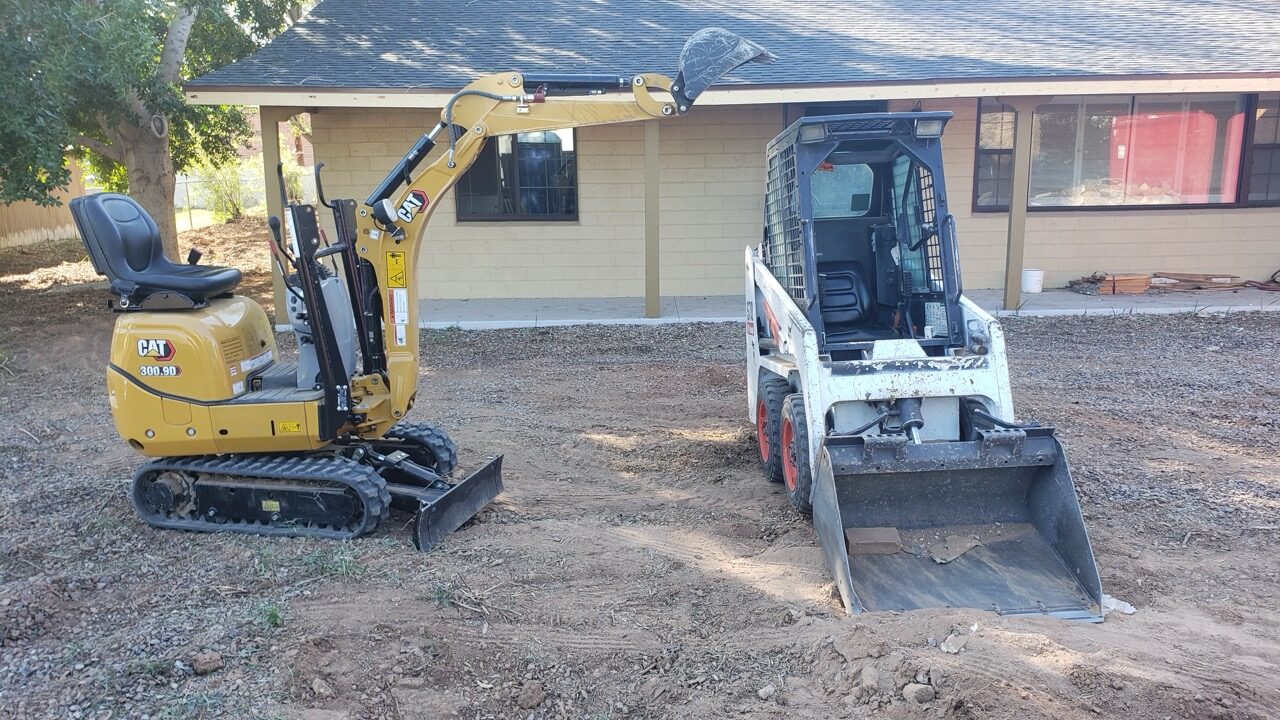
Phoenix’s desert terrain creates unique challenges. Narrow lots, mature landscaping, or homes close to neighboring structures all limit equipment access. As a result, contractors may need smaller machinery or more hand-demolition work, both of which increase labor hours.
Also, your specific location within the metro area affects haul-off distance to approved Maricopa County disposal sites, which influences debris removal fees.
Utility Disconnection Requirements
Before any demolition begins, all utilities must be properly capped and disconnected. This includes:
- Gas lines (requires a licensed plumber or utility company)
- Electrical service disconnection
- Water and sewer capping
Each of these steps involves separate scheduling and fees. However, a reputable demolition contractor in Phoenix will help coordinate this process so nothing falls through the cracks.
Debris Volume and Disposal
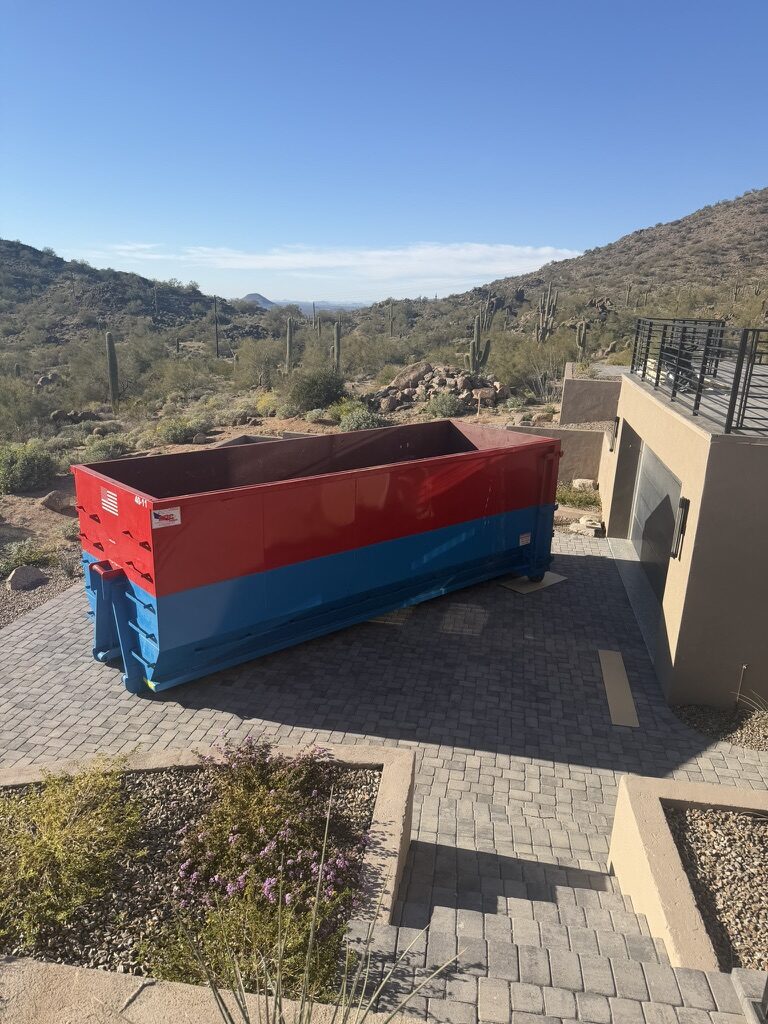
Finally, what comes down must go somewhere. The total weight and volume of debris directly affects hauling costs. Learn more about how construction debris removal in Phoenix is handled to understand this often-overlooked line item.
Types of Residential Demolition in Phoenix and What Moves the Price
Knowing which type of project you actually need is essential before requesting quotes. Each category carries a different scope, timeline, and permit load.
Full House Demolition
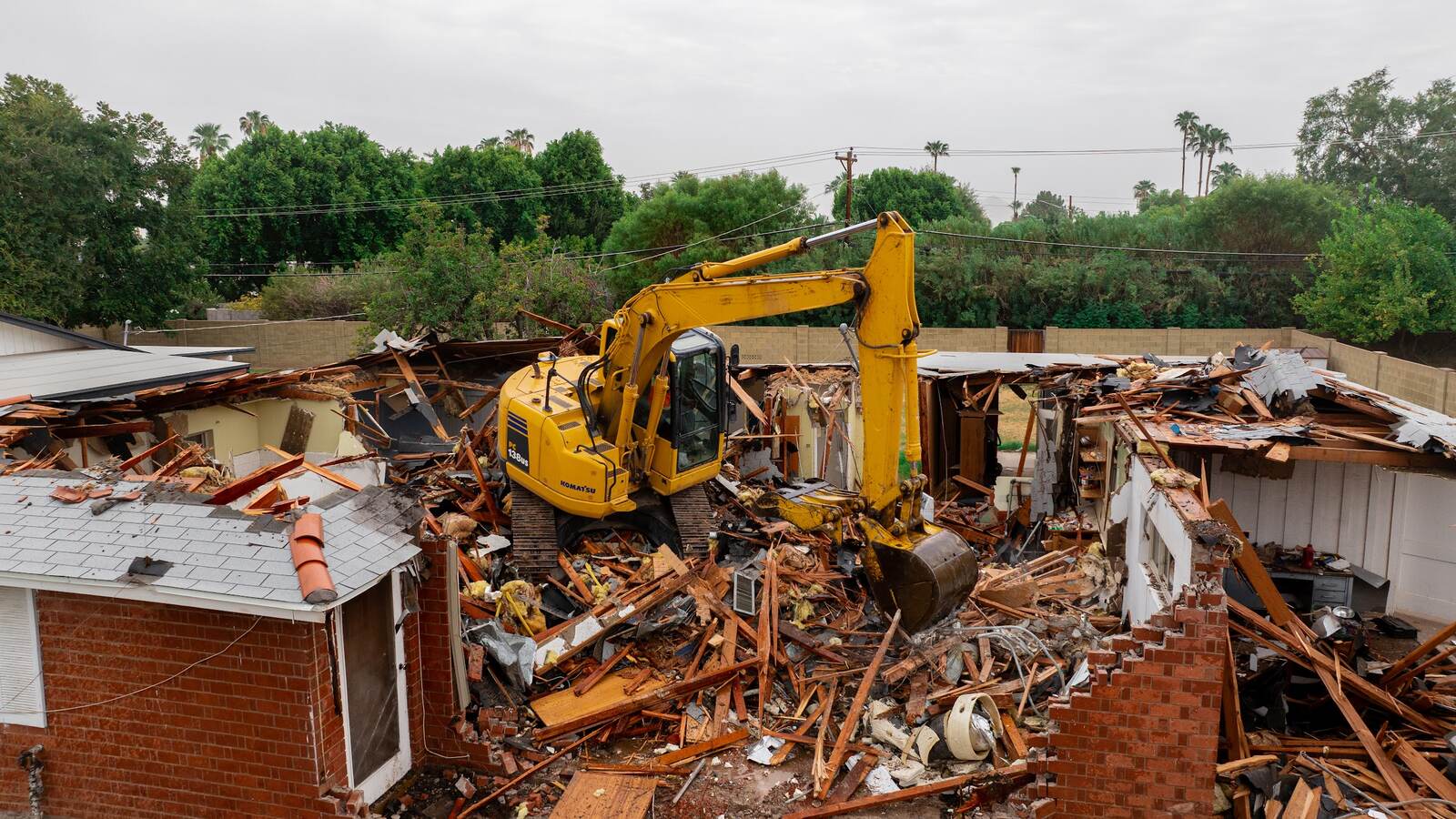
Full demolition means tearing down an entire structure, foundation and all, or down to the slab. This is the most intensive scope of work. Because Phoenix lots vary widely in access and soil type, site conditions can push costs up quickly.
- Mechanical demolition (excavator-based): faster, lower labor hours, typically the fit for smaller, simpler homes
- Deconstruction (manual salvage): slower, but materials can be resold or donated; the added labor usually costs more than mechanical demolition
- Large or multi-story homes: expect the largest scope and price of any residential teardown
Partial Demolition
Partial demos target one section of a home: a garage, an addition, or a damaged wing. However, “partial” doesn’t always mean cheaper per square foot.
Common partial demolition projects include:
- Detached garage removal
- Pool demolition (fill-in or full removal)
- Carport or patio cover teardown
- Damaged room or addition removal
For example, pool demolition pricing depends mostly on pool size and fill material. Learn more about local project scopes on our residential demolition Phoenix page.
Interior Demolition
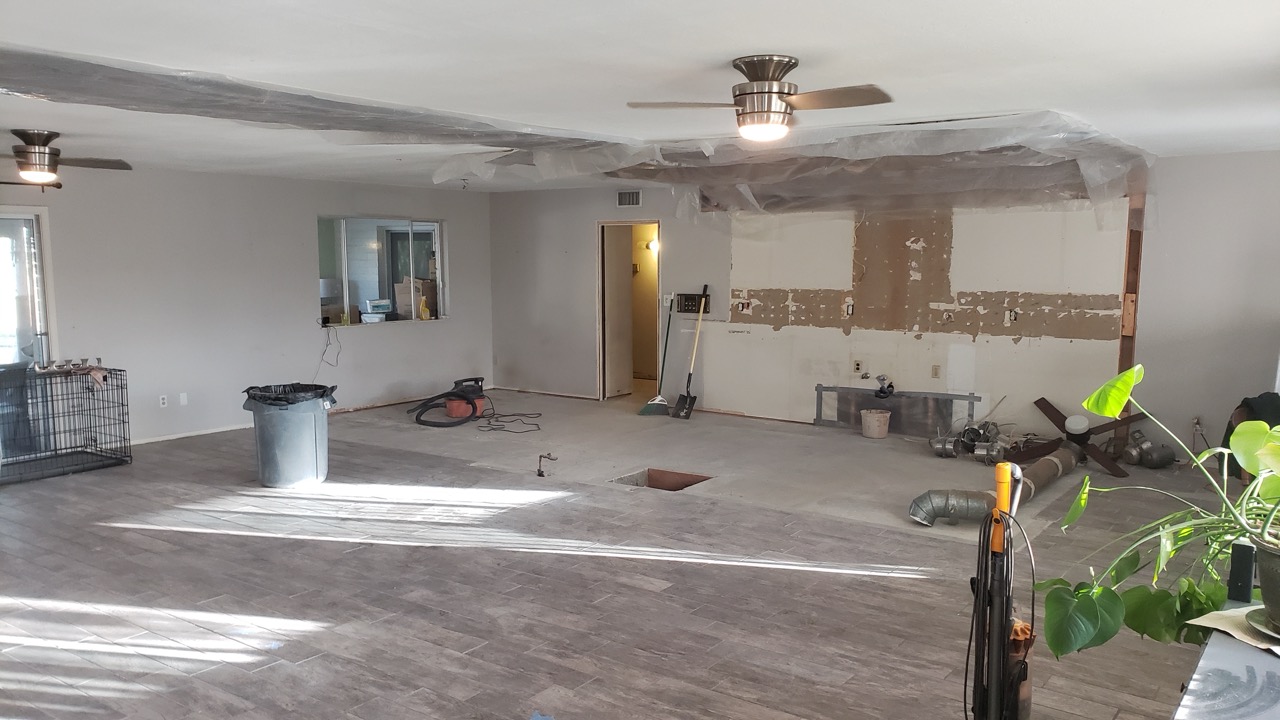
Interior demo strips a home down to the studs without touching the exterior shell. It’s common before major remodels, including kitchen gut-outs, bathroom overhauls, and closet removals.
- Gut-out of a single room: the smallest, simplest scope
- Full interior strip (kitchen, baths, walls): a larger job with more labor and debris
- Hazmat abatement included (lead, asbestos): adds abatement time and cost
In fact, the EPA notes that homes built before 1980 have a high chance of containing asbestos, a key cost driver in older Phoenix neighborhoods.
Outbuilding and Accessory Structure Removal
Sheds, guest houses, and detached structures fall into their own category. Specifically, smaller outbuildings are usually smaller, simpler jobs, while larger guest casitas are bigger jobs with more labor and debris. Also consider debris hauling. It’s rarely included by default. Check our construction debris removal Phoenix page for bundled options.
Phoenix Permits, Regulations, and Hidden Fees
Permits and regulations can quietly push up your overall project budget, and Phoenix homeowners often overlook them until the bill arrives. Knowing what to expect upfront saves you from surprises.
What Permits Does Phoenix Require?
The City of Phoenix Development Services requires a demolition permit for most structural removals. Partial teardowns and full knockdowns both typically need one.
Here’s what the permit process usually involves:
- Demolition permit application filed with the city
- Utility disconnection verification (gas, electric, water, sewer)
- Asbestos inspection report for homes built before 1980
- Erosion and dust control plan per Maricopa County rules
The Maricopa County Air Quality Department enforces strict dust suppression rules under Rule 310. Violating them can result in fines that add real cost to your project.
Asbestos and Hazmat Rules
Homes built before 1980 face extra scrutiny. Federal and Maricopa County air quality rules require an asbestos inspection by an accredited inspector before many demolition projects. If hazardous materials are found, a certified abatement crew must remove them first. Skipping this step can trigger fines and project shutdowns.
Hidden Fees to Watch For
Beyond the permit itself, several costs catch homeowners off guard:
- Re-inspection fees if work fails the first review
- Utility disconnect fees charged by each provider separately
- Debris hauling overages when waste exceeds the estimated load
- Tree removal permits required for protected species in Phoenix
- HOA approval fees in many Phoenix-area communities
Plan Ahead to Avoid Delays
Permit timelines in Phoenix vary with the scope of work, and incomplete applications or missing inspection reports can stretch them further. Work with a licensed demolition contractor in Phoenix who knows local code. They can pull permits on your behalf and flag issues before they become costly delays.
Full vs. Partial vs. Interior: A Phoenix Demolition Comparison
Choosing the right demolition approach is critical. Each option carries a different price, timeline, and scope, and choosing the wrong type can waste money fast.
Full Demolition: Complete Teardown
Full demolition means removing every structure above the foundation, or the foundation itself. This is the most involved option, and it’s best for replacing an aging home, clearing a lot for new construction, or addressing severe structural damage.
Key factors that push the price of a full demo higher:
- Home size: larger square footage means more labor and haul-away
- Material type: concrete block (common in Phoenix) costs more to break down than wood frame
- Hazardous materials: asbestos or lead paint triggers EPA-regulated abatement before any wrecking begins
- Utility disconnects: gas, water, and electric must be capped first
Partial Demolition: Targeted Removal
Partial demo removes one section of a home (a garage, addition, or damaged wing) while keeping the rest intact. For example, tearing down a detached carport runs far less than a full teardown. However, costs rise quickly if the removed section shares load-bearing walls with the main structure.
Interior Demolition: Gut and Rebuild
Interior demo strips a home down to its studs without touching the exterior shell. Think kitchen gut-outs, bathroom overhauls, or full-floor renovations. Typically the most affordable of the three types, especially for single rooms. Larger whole-home gut jobs cost more because of the added labor and debris.
Side-by-Side Comparison
| Demo Type | Typical Scope | Permit Required | Common Use Case |
|---|---|---|---|
| Full Demolition | Entire structure, down to the slab or foundation | Almost always | Lot clearing, full rebuild |
| Partial Demolition | One section, such as a garage or addition | Usually yes | Garage, addition removal |
| Interior Demolition | Interior only, down to the studs | Sometimes | Remodel prep, gut renovation |
Every project is different, so KOGAN LLC prices each one with a free on-site estimate and a written quote. For a deeper look at project options, visit our residential demolition page or explore our service areas across the Phoenix metro.
Why Choose KOGAN LLC for Residential Demolition in Phoenix
Understanding what a project costs is only half the battle. The other half is choosing a contractor you can trust to deliver. In our experience working across Phoenix, the biggest source of homeowner frustration isn’t the demolition itself. It’s unexpected delays, hidden fees, and contractors who disappear after the deposit clears.
What Sets KOGAN LLC Apart
Here’s what you get with us:
- Licensed and insured: Arizona ROC license CR-57 #335869 (wrecking and demolition), and fully insured
- Transparent pricing: a written scope and price before work starts
- Permit-ready crews: we handle City of Phoenix paperwork from start to finish
- Safe debris removal: learn more on our construction debris removal page
- Residential specialists: from interior strip-outs to full teardowns
Local Knowledge That Matters
Our teams are active across Phoenix and surrounding communities, including Mesa, Chandler, Glendale, and beyond. We understand Phoenix-specific challenges (caliche soil, block construction, and Maricopa County dust control requirements) because we work with them every day.
Also, our latest projects page shows real completed work, not stock photos. Safety is a core value at KOGAN LLC; we follow OSHA standards on every project. We also offer commercial demolition services for larger-scale needs.
Ready to start? Contact us today.
Residential Demolition Cost in Phoenix: Common Questions
What Factors Affect Residential Demolition Cost in Phoenix Most?
The biggest drivers are home size, construction material, and whether hazardous materials like asbestos are present. Additionally, site access, debris volume, and permit fees all contribute to the final total. In our experience, block-construction homes in Phoenix consistently cost more to demolish than wood-frame structures of the same size.
How Do I Get an Accurate Demolition Quote in Phoenix?
The most reliable quotes come from on-site assessments, not phone estimates. A licensed contractor needs to evaluate soil conditions, access points, utility locations, and material type before pricing your job. Visit our residential demolition Phoenix page to request a free on-site assessment.
How Long Does a Residential Demolition Take in Phoenix?
Most projects finish faster than people expect. Interior demo on a single room typically wraps in 1 to 3 days, while partial demos run 3 to 7 days. Full house teardowns often complete the structural work in 1 to 5 days, though site cleanup and debris hauling can add extra time.
Do I Need a Permit for Demolition in Phoenix?
Full demolitions almost always require a city permit. Partial and interior work may also need one, depending on whether load-bearing walls or utility connections are involved. Always confirm with the City of Phoenix Development Services before work begins.
What Happens to the Debris After Demolition?
Debris is sorted, hauled, and disposed of, or recycled when possible. Concrete, metal, and wood can often be diverted from landfills. Ask your contractor about their recycling practices and whether haul-away is included in your quote.
Can I Do Any Demo Work Myself in Arizona?
For small cosmetic tasks, yes. However, anything involving structural walls, asbestos, or utilities should go to a licensed pro. Arizona law requires a licensed contractor for most paid structural work, and attempting it yourself risks injury and code problems.
Ready to Get Your Phoenix Demolition Quote?
KOGAN LLC Demolition & Construction serves homeowners across the Phoenix metro with expert residential demolition services, from full teardowns to interior gut jobs. Our team handles permits, hazmat coordination, debris removal, and site cleanup from start to finish.
Visit our service area page for Phoenix to confirm coverage in your neighborhood. To schedule a free on-site assessment, contact us today or reach us directly:
KOGAN LLC Demolition & Construction
Phone: (602) 623-8320